Ressources
Analyses sur les technologies de l’assurance, l’IA et les opérations modernes.
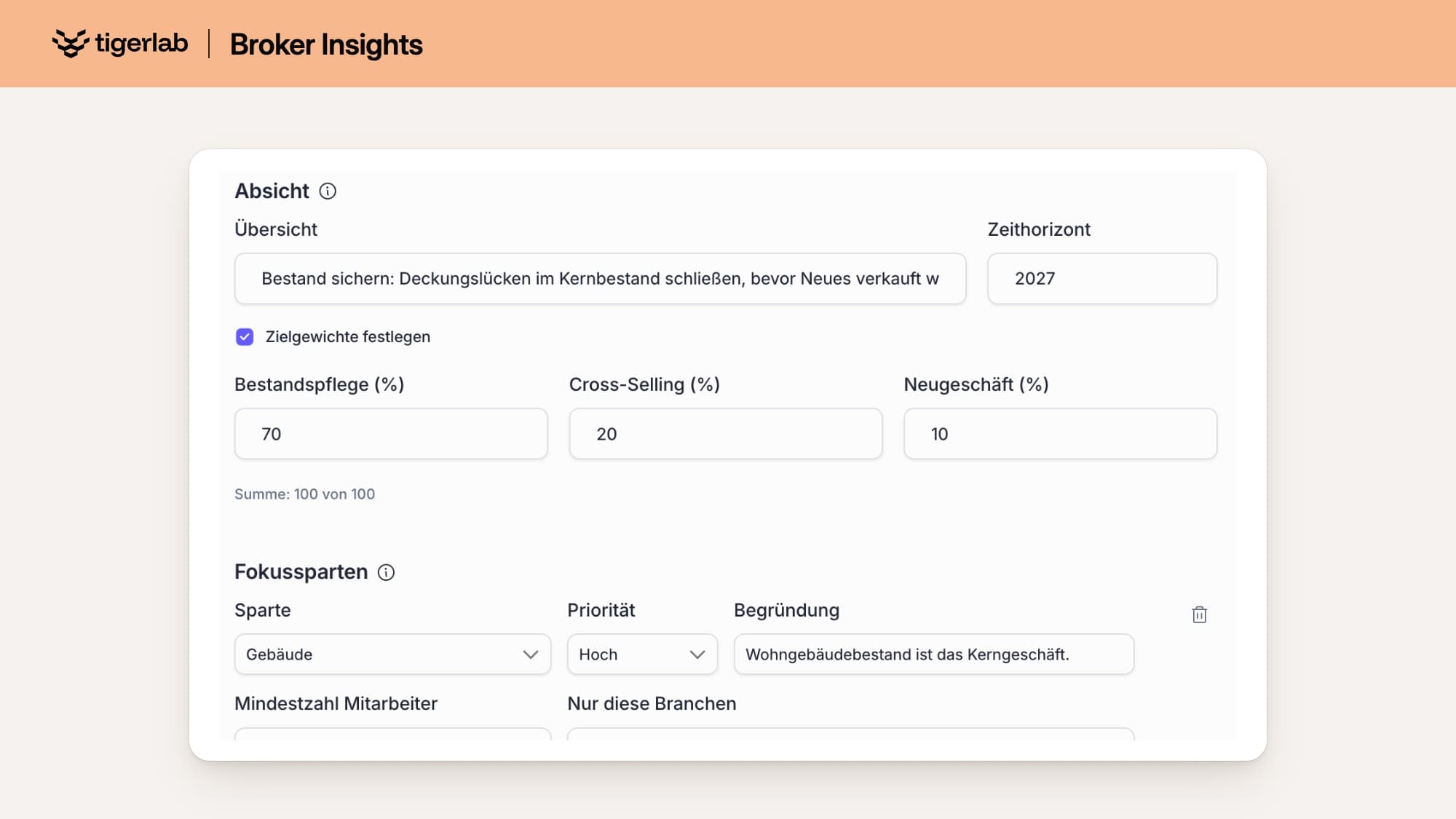
Mon logiciel de courtage sait tout de mes clients. Sauf ce que je veux accomplir.
Les logiciels de gestion pour cabinets de courtage sont d'excellentes archives, mais ils ignorent les objectifs du cabinet. Pourquoi la stratégie doit entrer dans le système, ce que cela change au quotidien et quelles objections sont fondées.

Quand tout le monde peut être courtier : pourquoi votre savoir-faire est le nouvel avantage concurrentiel
La connaissance du marché sur les garanties et les conditions est aujourd'hui accessible à tous, et l'IA la rend plus accessible encore. L'avantage d'un courtier réside donc dans son propre savoir-faire structuré, que le logiciel de gestion doit intégrer à chaque analyse.
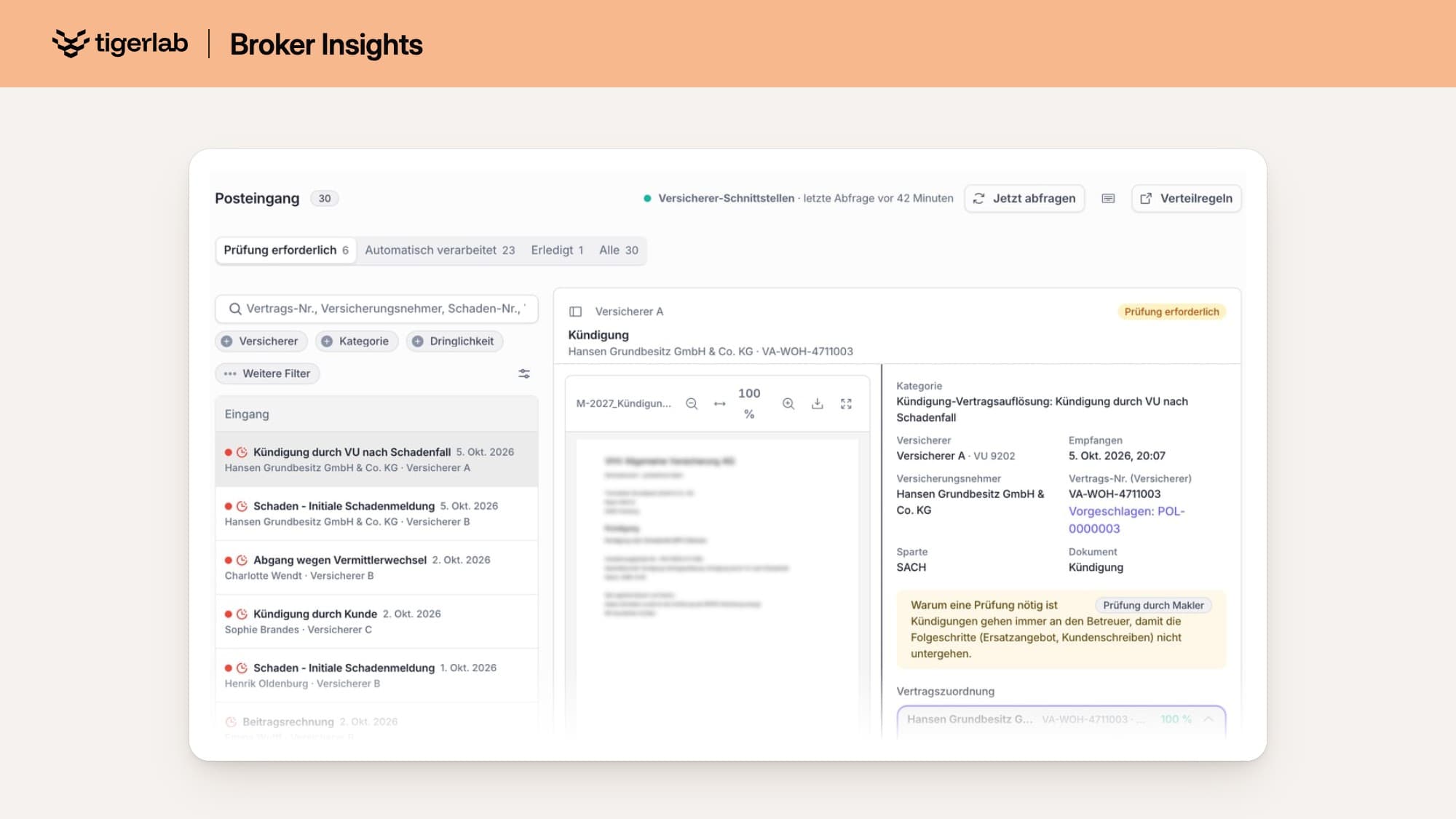
Télécharger le PDF, le recharger : pourquoi les données BiPRO restent souvent inexploitées
BiPRO et les données GDV fournissent depuis longtemps tout ce qu'il faut pour classer automatiquement les documents des assureurs. Pourquoi tant de cabinets le font encore à la main, et cinq questions à poser à votre logiciel de gestion.
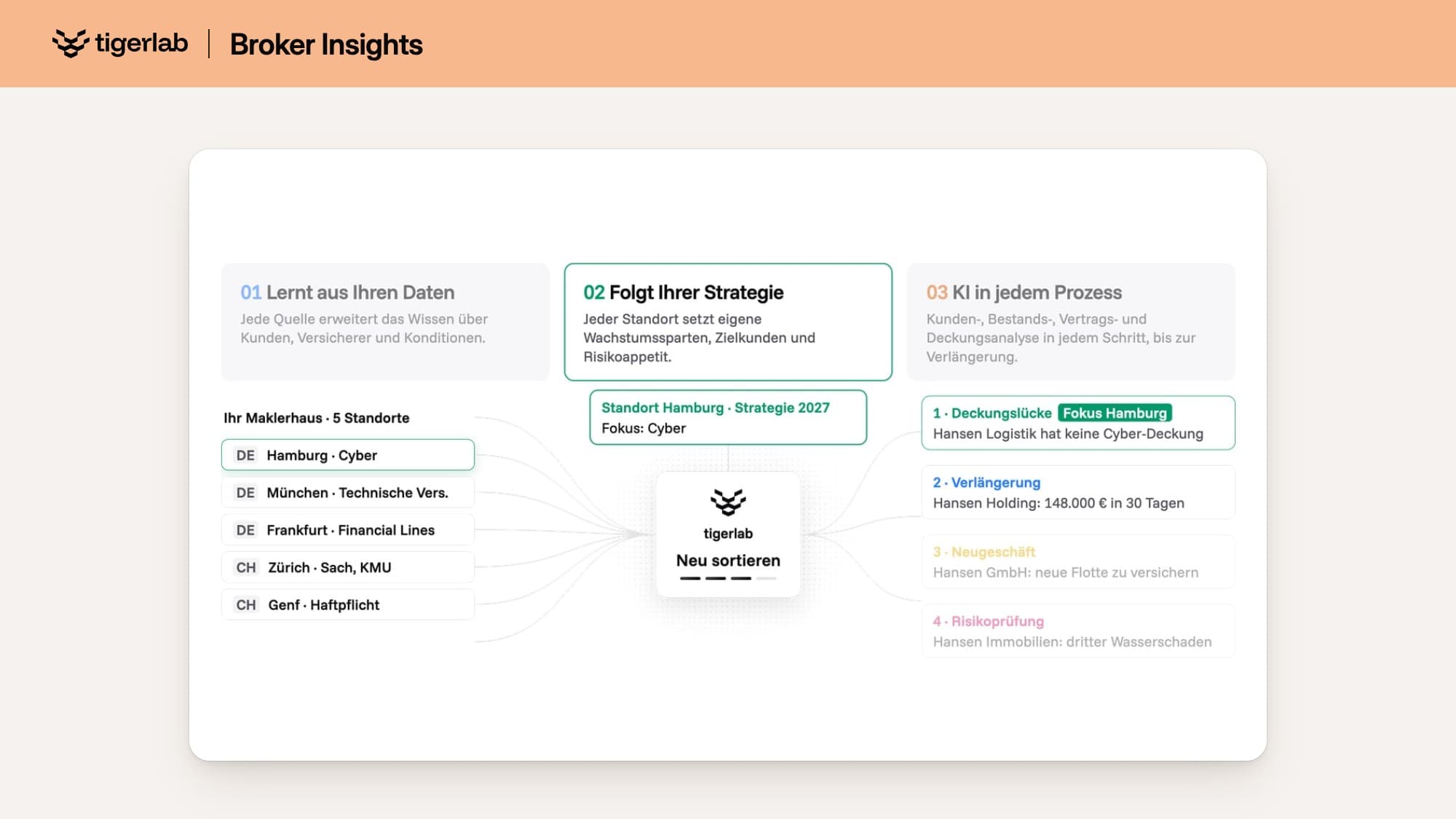
Écrivez votre exigence de qualité : pourquoi chaque cabinet a besoin d'un standard maison
Presque tous les cabinets de courtage ont une exigence de qualité pour la couverture de leurs clients, mais presque aucun ne l'a mise par écrit. Ce que doit contenir un standard maison et comment le rédiger en deux ou trois séances.

(en anglais)
The rules in someone’s head: referral discipline and key-person risk in delegated authority
Every delegated authority operation has a written referral schedule and an unwritten one. How key-person risk shows up in departures and audits, and what recording judgement means.

(en anglais)
The evidence problem: what happens when someone asks you to prove it
Doing the work properly and proving it quickly are not the same. Why evidence takes so long to assemble, and three practical tests for your own files.

(en anglais)
The bordereau is what the carrier sees
For many capacity providers, the monthly bordereau is the whole impression of your book. Where bordereau errors come from, and a test worth running this month.

(en anglais)
Your system is being retired. What to ask before you migrate an open cover
Migrating a specialty book is not a data-volume problem but a relational one. What to ask any vendor before you move an open cover with years of declarations.

(en anglais)
The check that happens too late: sanctions screening in a cargo book
Screening that runs after binding is a report, not a control. Why cargo books make sanctions screening harder, and three questions to ask about your own process.

(en anglais)
One broker, four systems: what consolidation leaves in the back office
Acquisitions are justified on the front end; the cost turns up in the back office. What inheriting several broker systems really costs, and the questions to ask before the next deal.

(en anglais)
Where is the cargo right now? Storage, accumulation and the limits of the spreadsheet
Cargo is insured as though it moves, but value concentrates where goods sit. Why storage accumulation is so hard to answer from declarations kept as attachments, and a short test of whether your own system can answer it.

(en anglais)
After Blueprint Two: what a cargo coverholder should stop waiting for
Lloyd's has moved on from Blueprint Two, but a cargo coverholder's obligations never moved. Where the risk sits in referral rules, screening and declarations, what owning it looks like, and why broking and underwriting belong on one platform.